

A warmth has steadily trickled into existence, the air within our hive has become a comfortable temperature which has luckily persisted. Unwavering for many days, without the aided support of our fluttering wings generating heat. This has allowed us to designate our time and efforts elsewhere to the demands of our ever growing colony. We have also witnessed a slow transformation in the skies light as the days have started to grow longer, allowing our scouting workers to safely travel outside the hive for the desperately required pollen expeditions. We are optimistic they will return with plentiful pollen baskets. These are very promising signs that Spring has finally arrived after what felt like a tremendously long winter. We are hopeful and adamant that the change in recent weather will continue to improve and demonstrates that it will be an agreeable and pleasant year for our colony and Queen with minimal hardships.

PhotImage by 165106 from Pixabay

Views from our hive entrance unveiled rays of sunlight, tracing and reconnecting our surroundings with a warmth that has brought everything to life. Casting a positive energy on what’s to come during the anticipated summer months. It is a wondrous sight to witness the glistening air in the early morning dew, which emits great formations and captures the miniscule details normally too difficult to see by the naked eye. These unseen moments stir as the intricate world of flora and fauna are revived and regain momentum after a long period of dormancy.
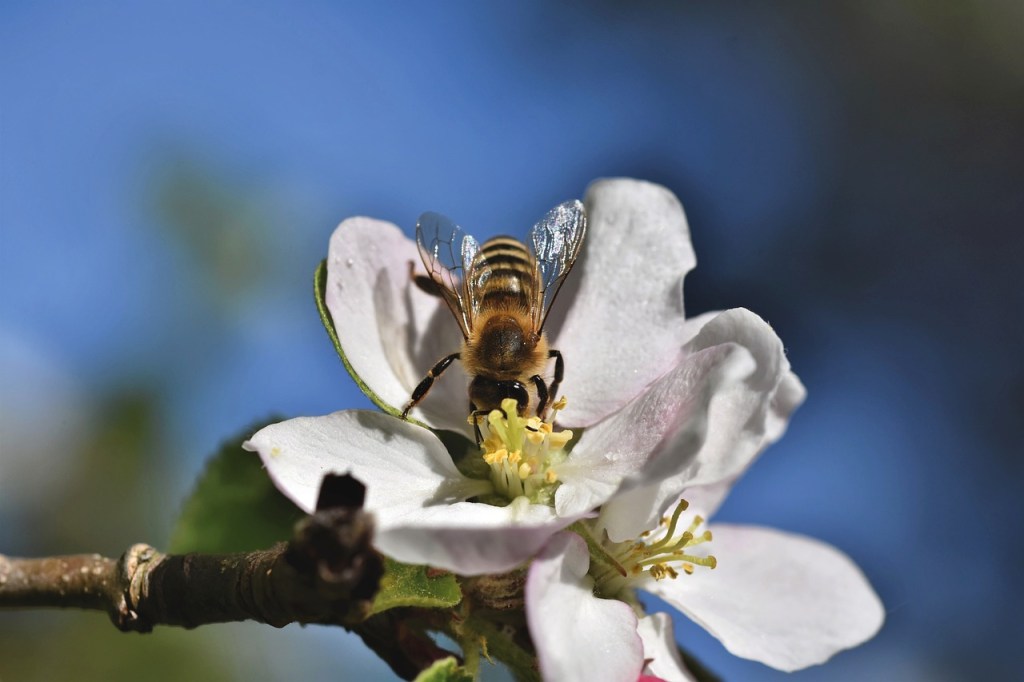
Image by Ralph from Pixabay

Our Queen began laying in February when it was evident that our colony had become an ever-ageing population of winter sisters. Too slow and inefficient for the increasingly hasty housekeeping which needed to be achieved as our workload began to increase, preparing our hive and colony for Spring and the year ahead. The first of our youthful colony members have started to appear. To become a viable worker, each one of us must participate in undergoing many stages of metamorphosis, which allows us to transform into the epitome of a honey bee. These several states of development provide the juvenile larva enough time within its hexagonal cocooned wax cell to develop and grow all the required body parts to produce a functioning honey bee; this process takes approximately twelve days. On the eighteenth day the young worker once fully developed will chew its way through the wax cap of the sealed cell wall which they have been enclosed in for the duration of their early development and existence. After freeing itself and joining our sisters, it is now able to become a productive and active member of our colony.
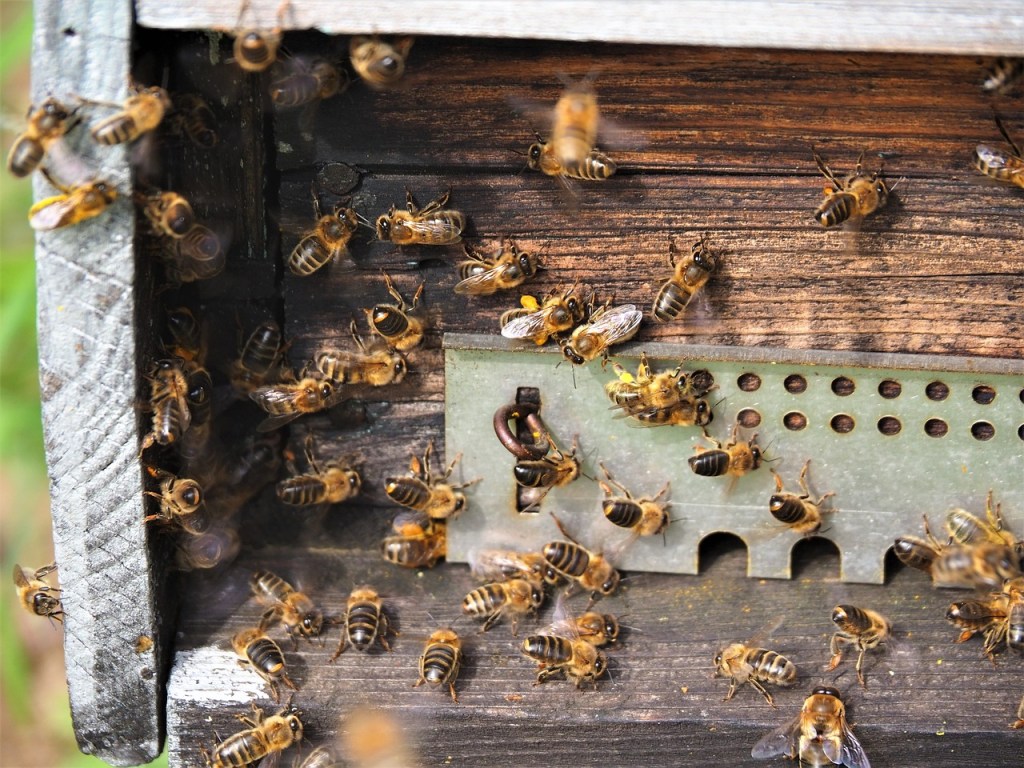
Image by ClaraMD from Pixabay
A glorious abundance of yellow, purple and white Crocuses have materialised from the restored green blades of grass, growing in bountiful quantities surrounding the grounds of our territory, not too far from our hives entrance, making the early pollen trips quick and effective. While a proportion of our scouts were out foraging, the adolescent workers have already started to reestablish the hive to its former glory, restoring hive walls, clearing way old debris collected over the winter period and preemptively making space for the hives expansion for when our colony has reached peak numbers which we hope to achieve in the height of summer. We have intentionally held off producing Drones, as it is too soon to accommodate their needs, they will not have a purpose until later on in the year, as this will be the time when nearby virgin Queens will be looking to mate and expand the colony’s breeding grounds.
 The Far Orchard