
We have been tightly huddled for most of November. The torrential rains and gusting winds have been battering our hive, making any final foraging journeys difficult and futile. The thrashing and incessant downpour has already uncovered faulty hive construction. Damp patches appeared within our colonies walls, located at the lower level quarters, furthest away from the hive’s entrance. This is where we would normally maintain eggs and larvae* of possible new colony members during the laying seasons. Though this is damaging news and will set us back a couple of weeks, it is luck hidden in disguise. If we were to notice these unfortunate flaws deeper into winter, we may not have been able to mend the damages before it was too late. Too late to save our food stores, the health and upkeep of the hive itself and possibly many colony members. A year’s worth of time, effort and workers’ energy wasted.
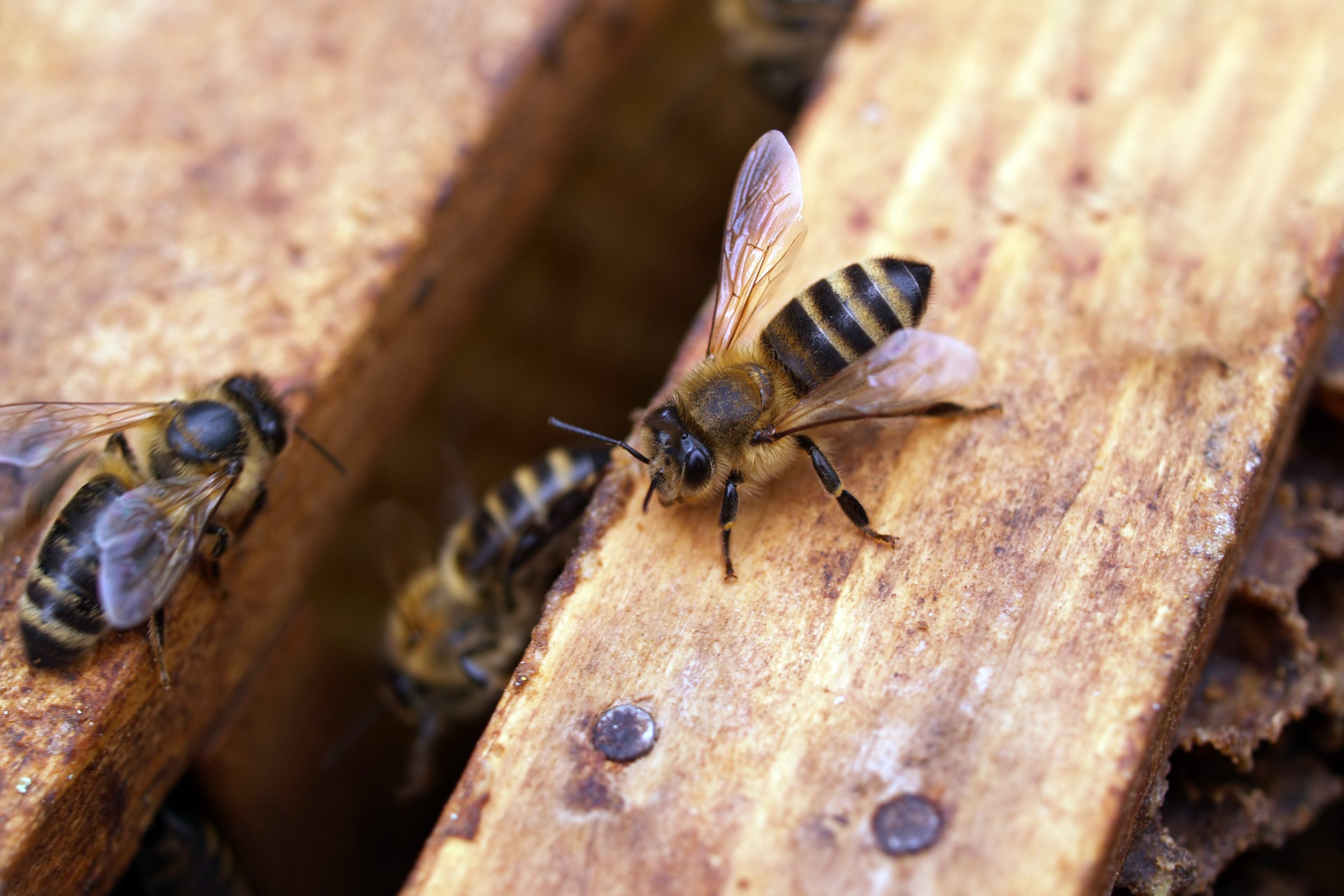
Photo by Joann Piber
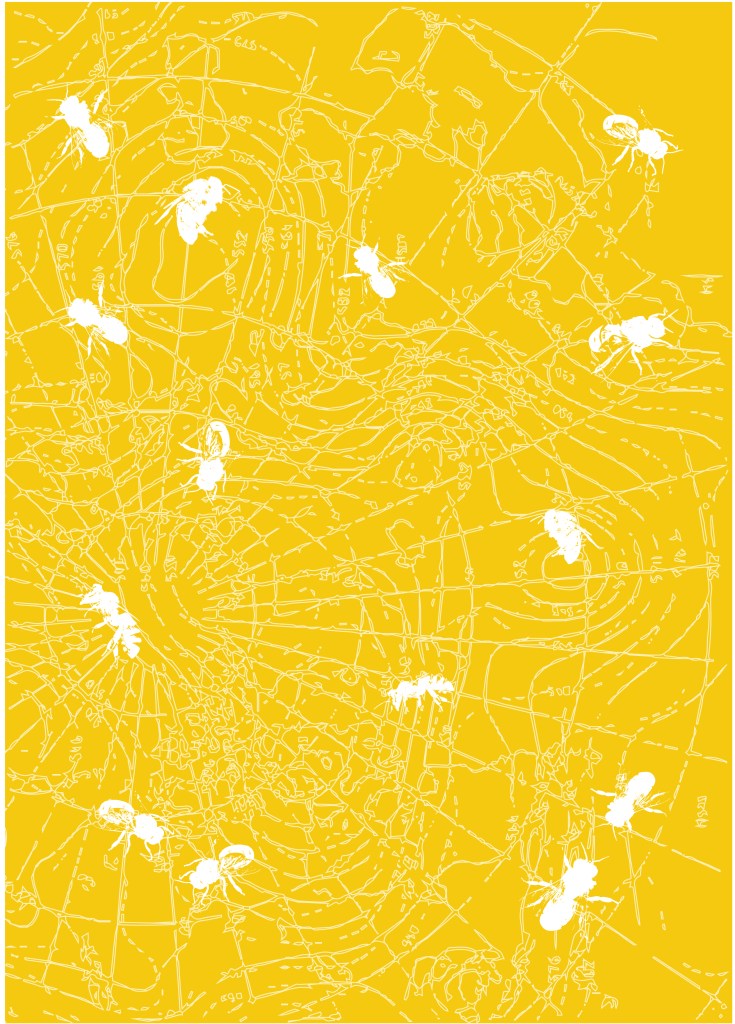
Unlike many pollinating species similar to us, we do not pause in winter. We continue working. Our routines may look different, slower with heavily restricted travel caused by harsh weather conditions, limiting us to the confines of our hive. When it gets too cold to work or fly, we huddle together to retain warmth. Our utmost responsibility is to keep our Queen warm and safe in the core of the hive. Being hive-bound, our honey stores provide a crucial lifeline, keeping us fed, providing sufficient energy levels to support the colony. Hibernation* is not an option when there are so many of us, a hive to manage and a queen to look after and protect. We have the responsibilities of the many.
In comparison, closely related pollinating species such as bumblebees and solitary bees, approach survival in the winter months differently. For instance, the solitary species known as the Tawny Mining bee and the Red Mason bee, follow a different winter survival strategy. Instead of hibernating as adults after a season, the females mate and lay eggs in their nest cells towards the end of spring, living out the rest of their lives before dying. When the larvae hatch, they stay in their cells throughout summer, feeding on stores of pollen left by their mother. By the end of autumn, the larvae will have pupated and matured into adult bees. However, they don’t emerge just yet. The newly developed adults will hibernate in their cocoons until the following spring, when they’ll emerge to feed from early flowering plants such as Crocuses and Primrose.
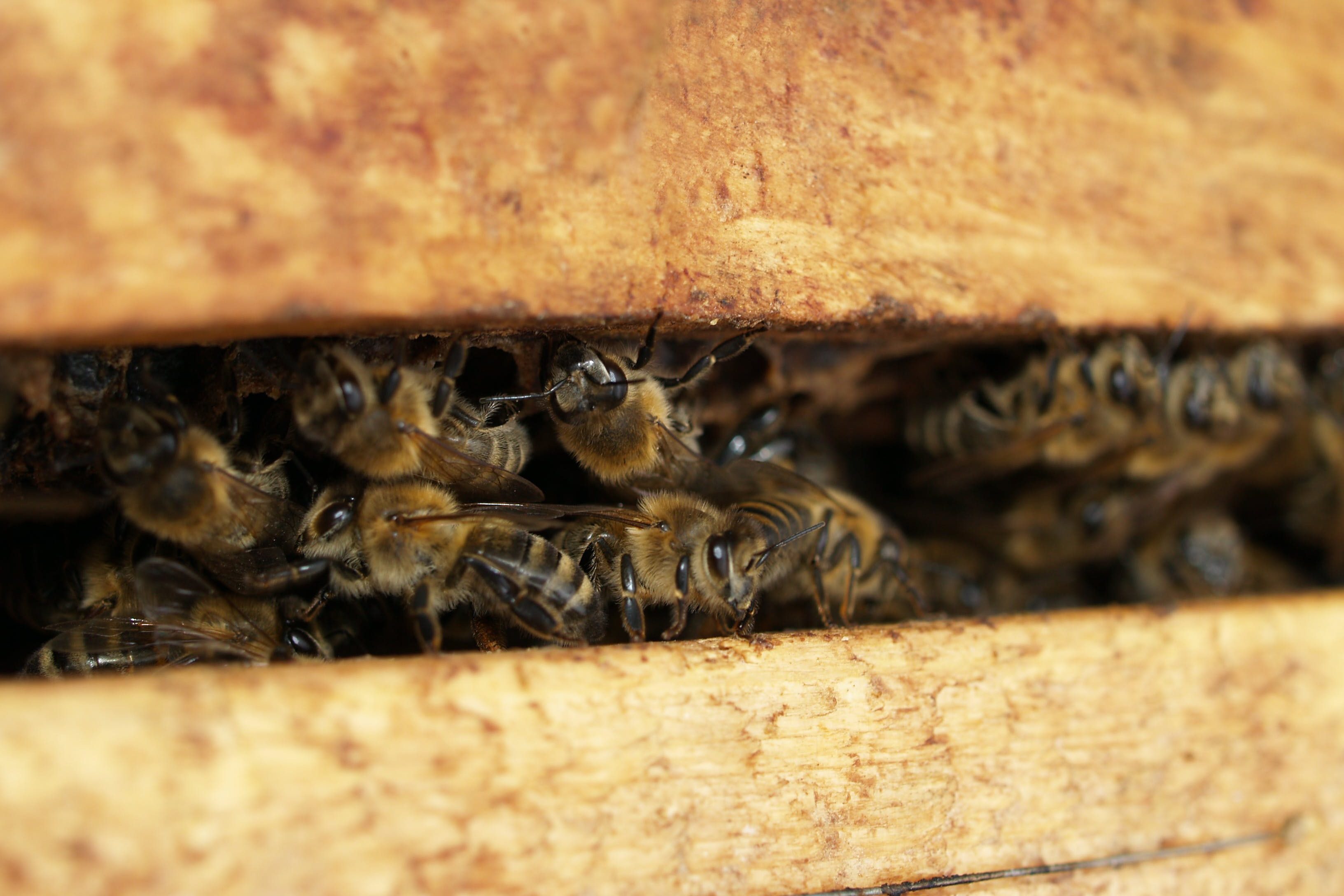
Photo by Joann Piber

The Red-Tailed Bumble Bees, commonly found in gardens, farmlands, hedgerows and woodland perform an alternative winter survival mechanism. When the rest of their colony dies at the end of summer, the queen bumblebee goes into hibernation. After gorging on nectar and pollen to build up vital fat stores, she hides underground in loose soil, banks of earth or even in deserted burrows. When spring arrives, the queen emerges from her winter isolation to recharge her energy with nectar. She’ll then hunt out her perfect nest site and, having mated before she hibernated, lay her first brood* of eggs in early summer. This survival cycle will repeat itself, time and time again, as many other species of bee will also follow this journey.
*Larvae- is the second stage after a bee egg hatches. The bee larva (plural: larvae) is a legless and featureless white grub. It is specialised to eat and never leaves the individual wax cell.
*Hibernation- is a state of minimal activity and metabolic depression undergone by some animal species. Hibernation is a seasonal heterothermy characterised by low body-temperature, slow breathing and heart-rate, and low metabolic rate. It most commonly occurs during winter months.
*Brood- bee brood or brood refers to the eggs, larvae and pupae of honeybees.
 The Far Orchard