


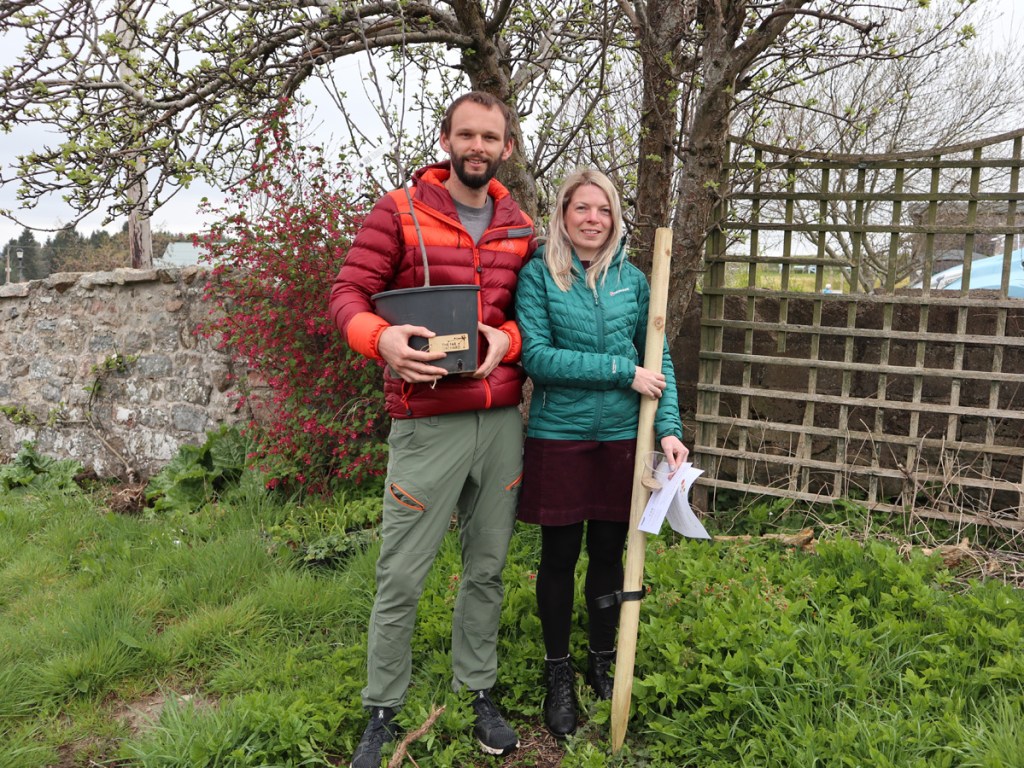
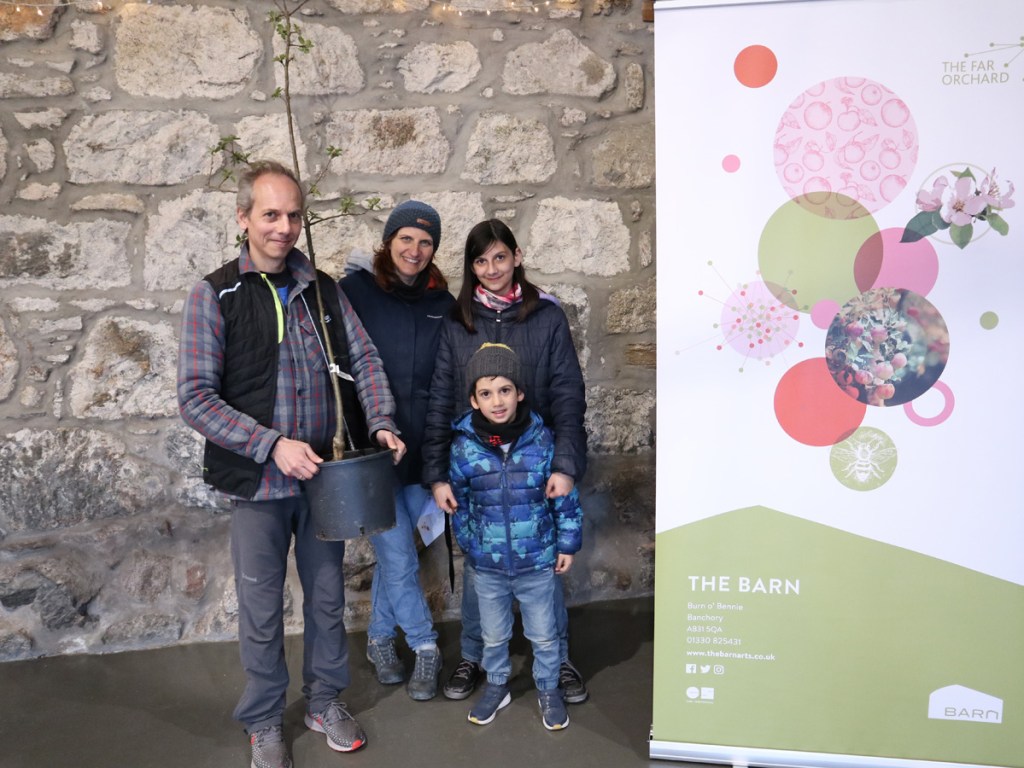
It was great to meet all The Far Orchard hosts at the planting day on Sunday 24 April 2022.
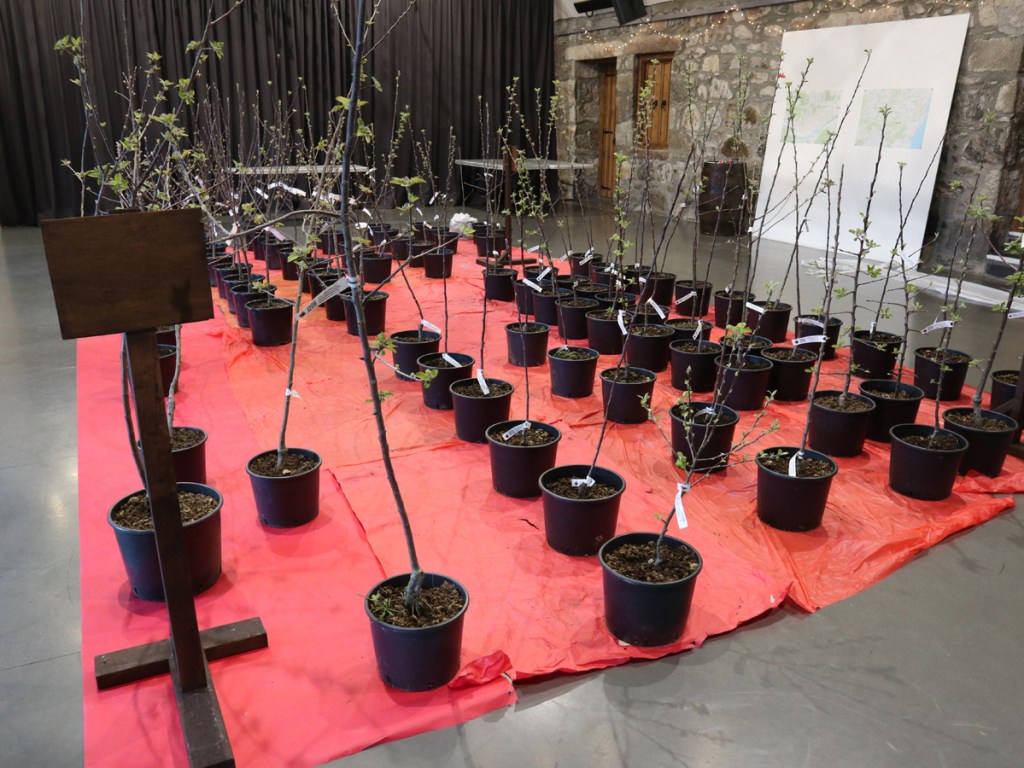
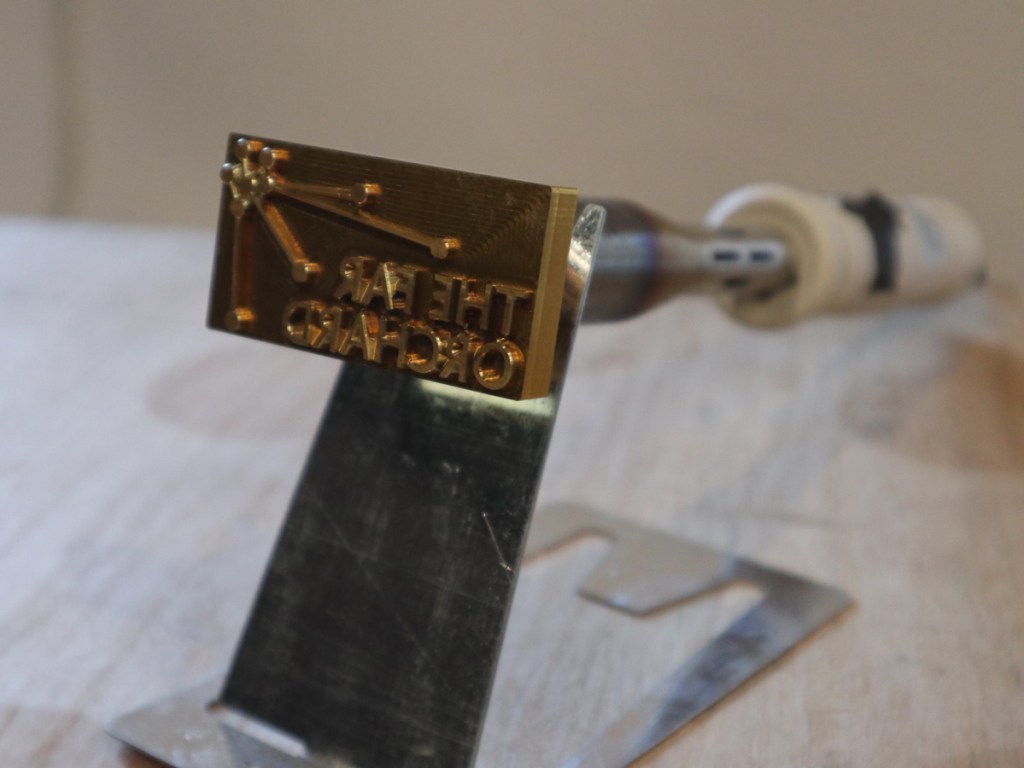
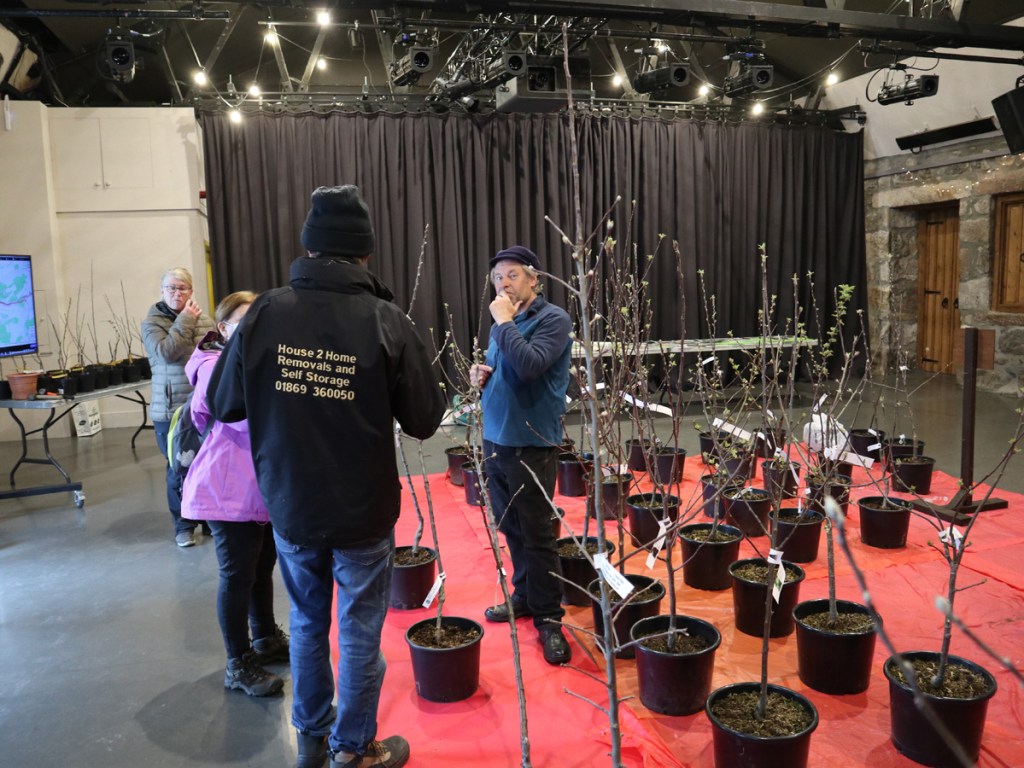
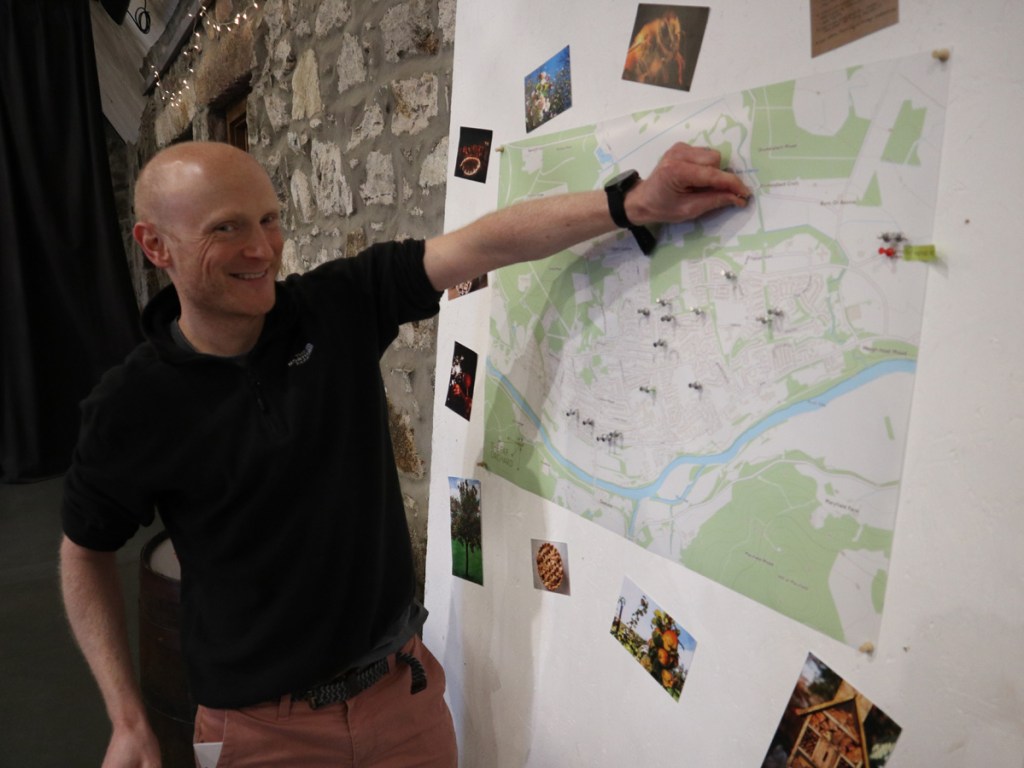
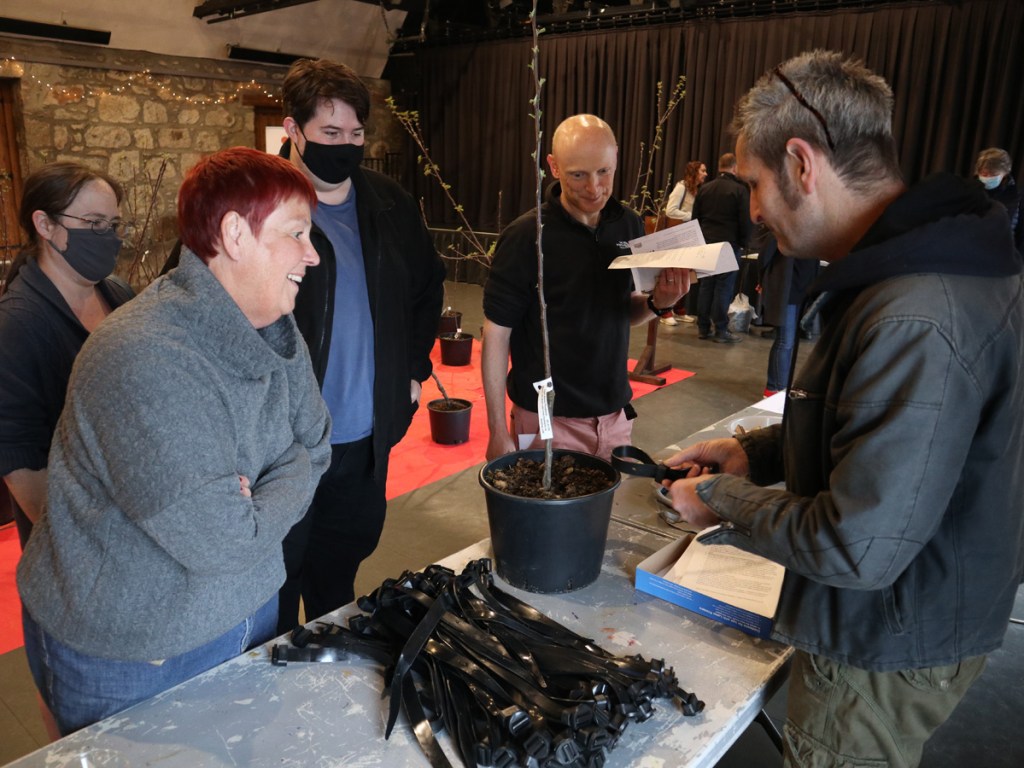
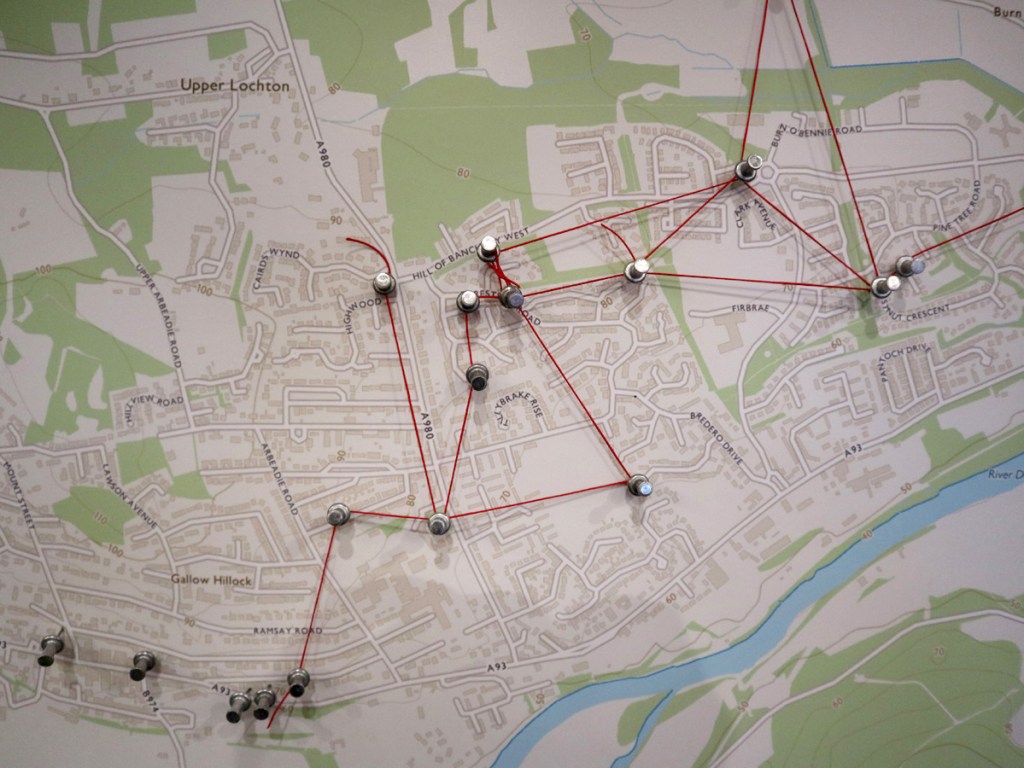
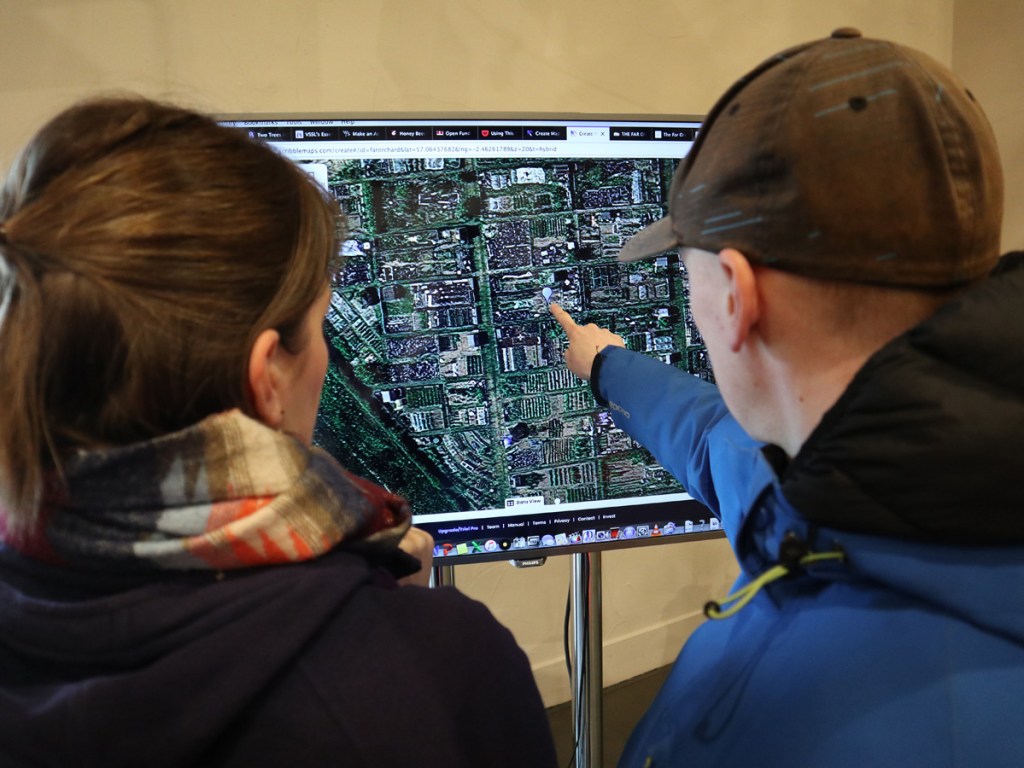
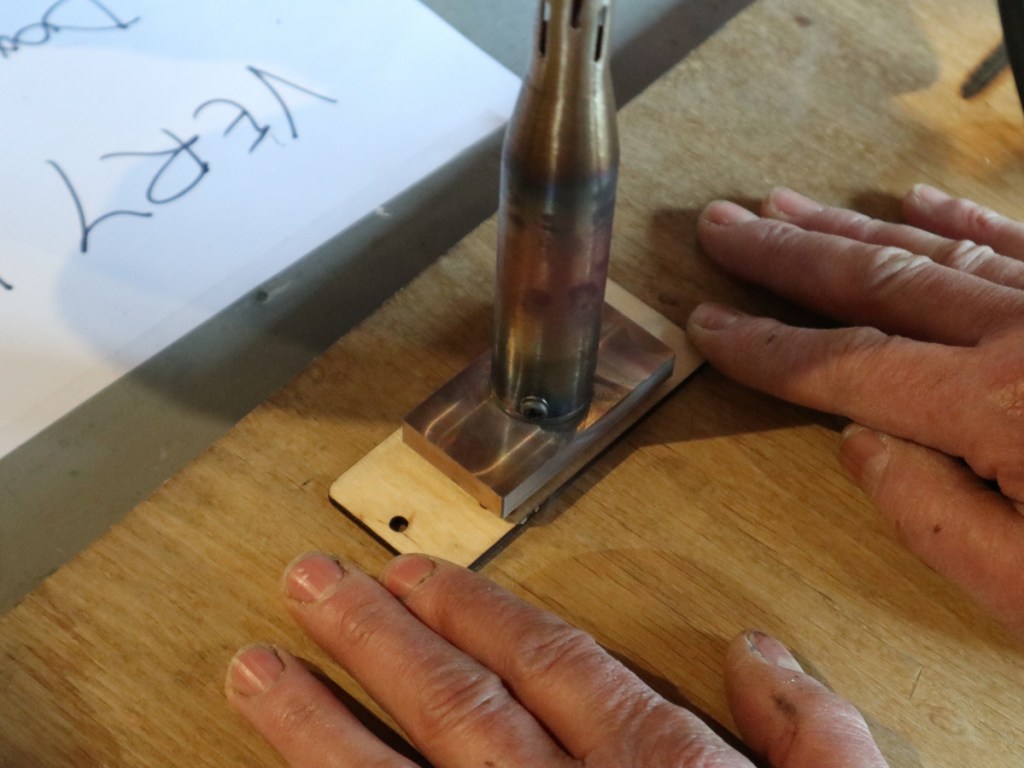
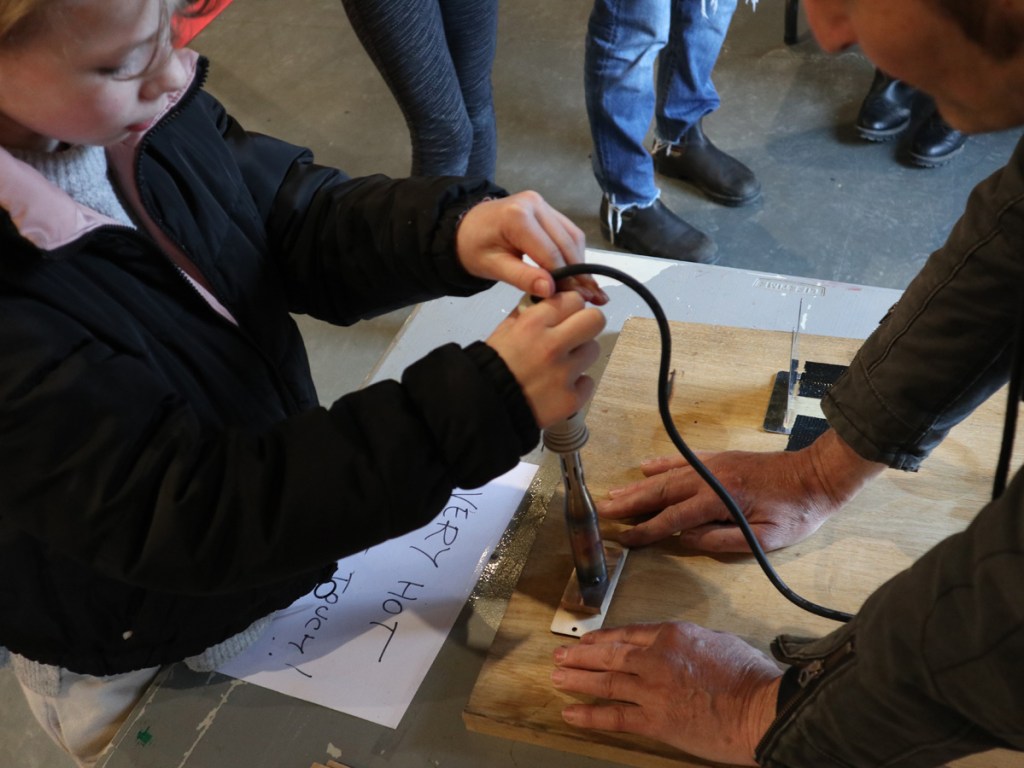
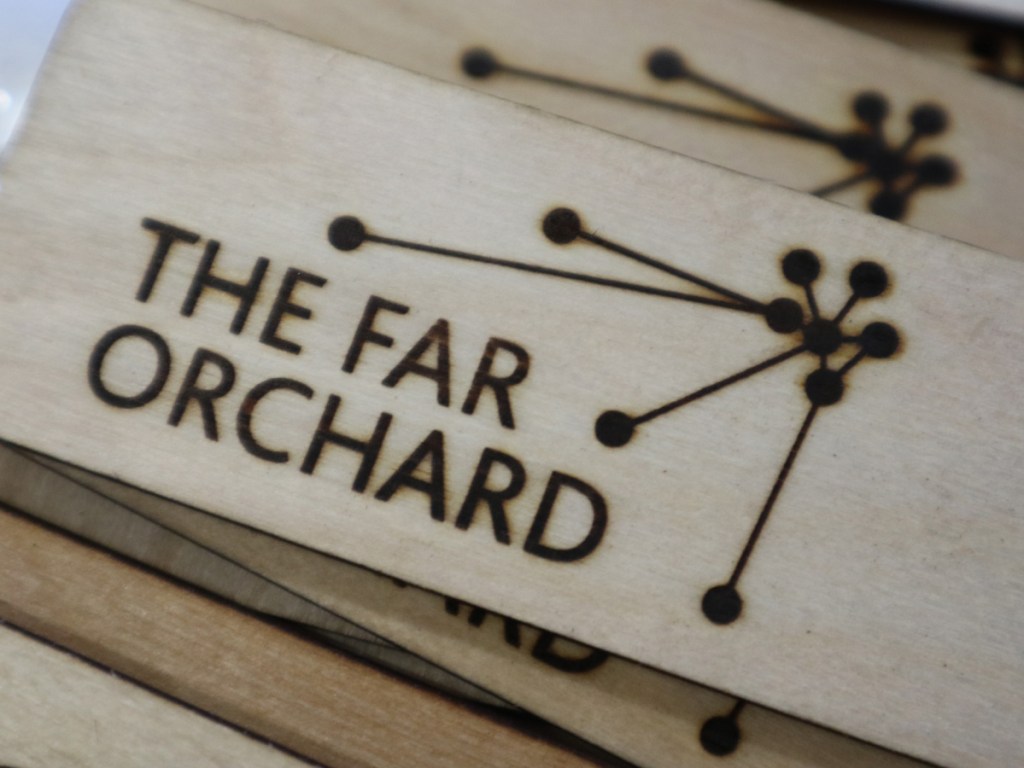
Apple trees were collected from the Barn between 12 noon and 4pm, with planting and care advice from our apple expert Andrew Lear and The Far Orchard artists. There was the opportunity to make a Far Orchard tag for the trees and to contribute to the mapping of The Far Orchard network.
There are around 100 hosts who have now planted apple trees in Banchory and the surrounding area in April, and The Far Orchard project is starting to come to life.
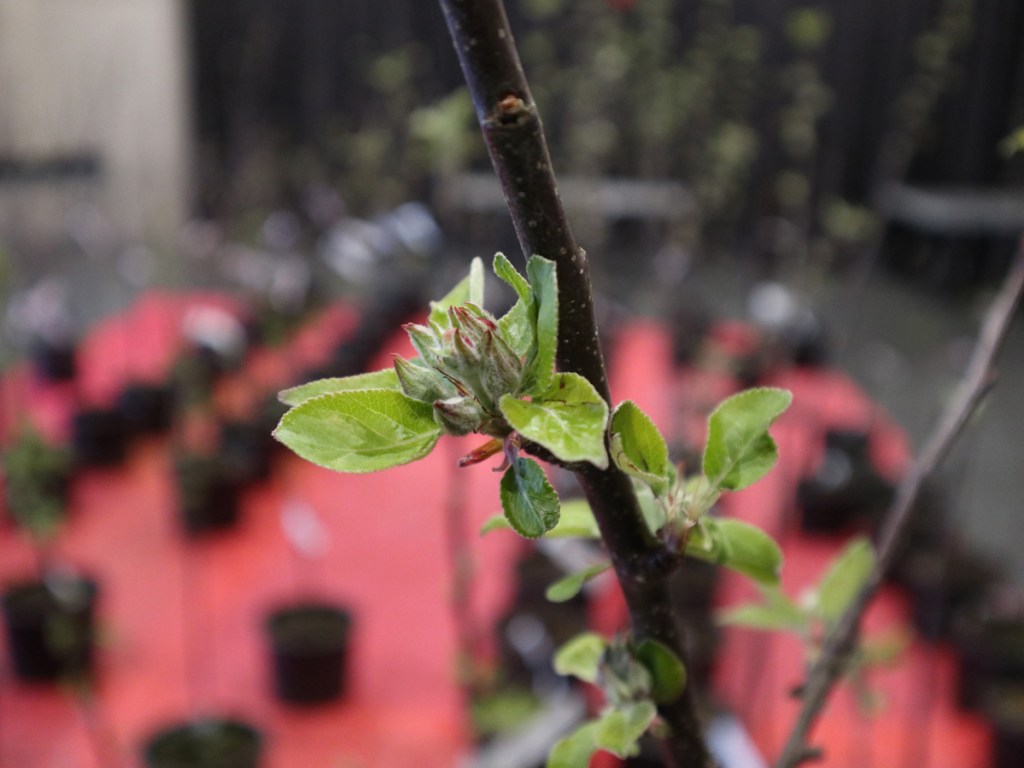
See image gallery from the Planting Day below






Planting an Apple Tree
The Far Orchard trees will come in pots as this year it is too late to plant bare root stock. Follow these simple steps to give your tree the best start.
- Dig a hole about a spade’s depth and around 2ft wide. Although it’s natural to dig a round hole, a square one is better as it encourages the roots to push out into the surrounding ground. Keep the soil you have removed in a wheelbarrow or on a large plastic sheet.
- You may wish to add a tiny sprinkle of blood/fish/bonemeal or some loose compost and work it into the base of the hole using a garden fork if your soil is poor.
- Remove the turf or any weeds and dispose of them.
- Put in a short thick wooden stake to one side of the hole. Ideally where the prevailing wind comes from. Hammer this firmly vertically into the ground using a mallet.
- Take the tree out of the pot and place it in the hole. The tree should be planted with the bulge in the stem about 2 inches above soil level. Position it so the trunk is close to the stake but not touching and start to shovel the soil mixture back around the roots. Gently firm this in with your boots, being careful not to damage the roots. When it’s half full, pull and shake the tree up an inch and then let it drop again as this helps the soil to fill in around the roots.
- Once all the soil has been added and firmed, use the supplied strap to fix the tree to the stake, leaving enough room for the tree trunk to grow but not so much that it wobbles about. Leave the base free from grass roots.
- Pour a litre of water around the soil well to stop the roots drying out and to further settle the soil around them. Water well during any dry spell.
- Protection: If the bark is strimmed or eaten by rabbits or voles the tree will die. If strimming is likely to take place near the tree, make sure there is something to protect the bark, a short wire mesh guard is good. Add a protective tube around the trunk if animals may be a problem.
- Ongoing care: If your soil is poorly structured apply a dressing of well-rotted compost around the tree in the spring and a sprinkle of lime in the autumn.
Note: For planting bare root trees in the winter months , look for the slightly darker ‘watermark’ on the tree’s trunk that indicates where the soil level was when it was first grown. Place the bare-rooted tree in the centre of the hole and a cane across the hole so you can check that this line is level with the soil around your hole as trees shouldn’t be planted deeper or shallower than they were first grown. If necessary, add or remove soil to achieve this.

 The Far Orchard